The Handover
The customer's own window on the job from deposit to keys — a weekly update you send, a line straight to your team, and a House Book of their home at the end — with your name on all of it and every photo filed for the next sale.
The operating system built exclusively for post-frame and barndominium builders.
Instead of: A customer who phones every other day to ask where things are, paperwork scattered across email, a shoebox of warranty papers at the door, and finished jobs nobody photographs or asks about again.
What makes a good barndominium project handover?
A good handover starts at the deposit: the customer watches the build on their own page, gets a weekly update you approve, and at closeout receives a House Book with selections, paint codes, equipment serial numbers and warranty dates, as-built plans and maintenance notes. A barndominium project handover done this way ends the where-are-we calls and leaves every photo filed for the next sale.
- People value work they can see being done. In field and lab experiments, when customers and cooks could see each other, customer-reported quality rose 22.2% and throughput times fell 19.2%; customers who saw the process perceived more effort and valued the service more. Stage photos on the customer's own page do the same for a build. Buell, Kim & Tsay, 2017 ↗
- In a vendor-run survey of 6,087 homeowners, better information on schedule changes was the number one thing they wanted improved, and timely communication was number two (remodel and build clients, not barndominium buyers alone). A weekly update drafted from what really happened answers both. Houzz (vendor), 2022 ↗
- Communication scores showed the biggest gap between clients who would and wouldn't recommend their remodeler, in GuildQuality data. A customer who was kept informed is the one who sends the next one. Qualified Remodeler, 2014 ↗
- People who are asked usually follow through. In a vendor survey of 1,002 US adults, 78% had been asked for a review in the past year and 83% of those asked left one. Handover, when the customer is proudest, is the moment to ask. BrightLocal (vendor), 2026 ↗
It answers “where are we at?” before they call
The same link they opened to look at a price now shows their build: each checkpoint with the day it was done — posts set on August 6, girts on the 11th, equipment on site on the 14th — and what comes next. Marla checks it at the kitchen table instead of ringing the office. A customer who can see progress stops worrying, and a customer who isn't worried tells her friends.
“Where are we at?” calls cost you an hour a day, and the customers who don't call are the ones quietly worrying.
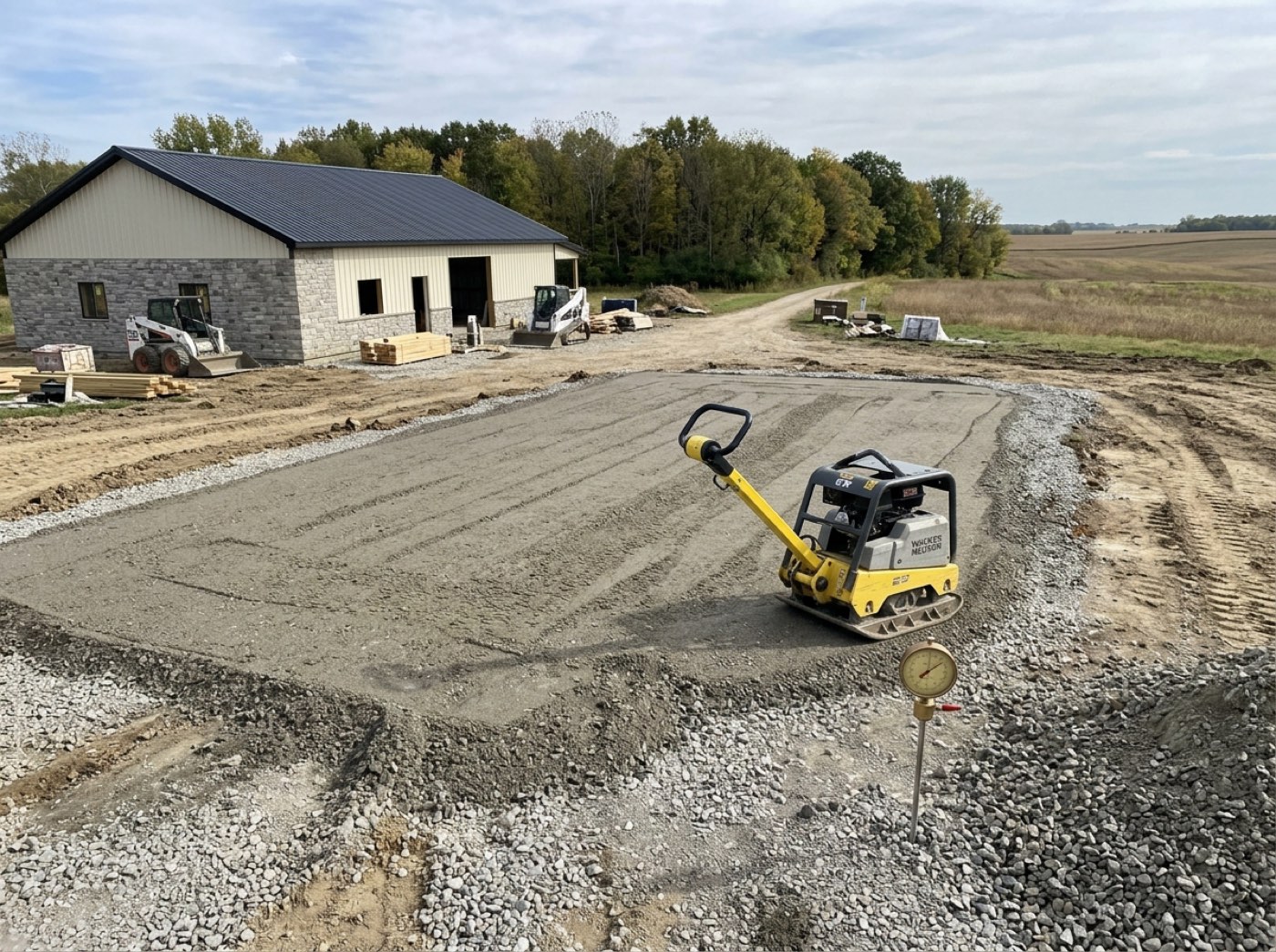
The photos arrive as the work happens
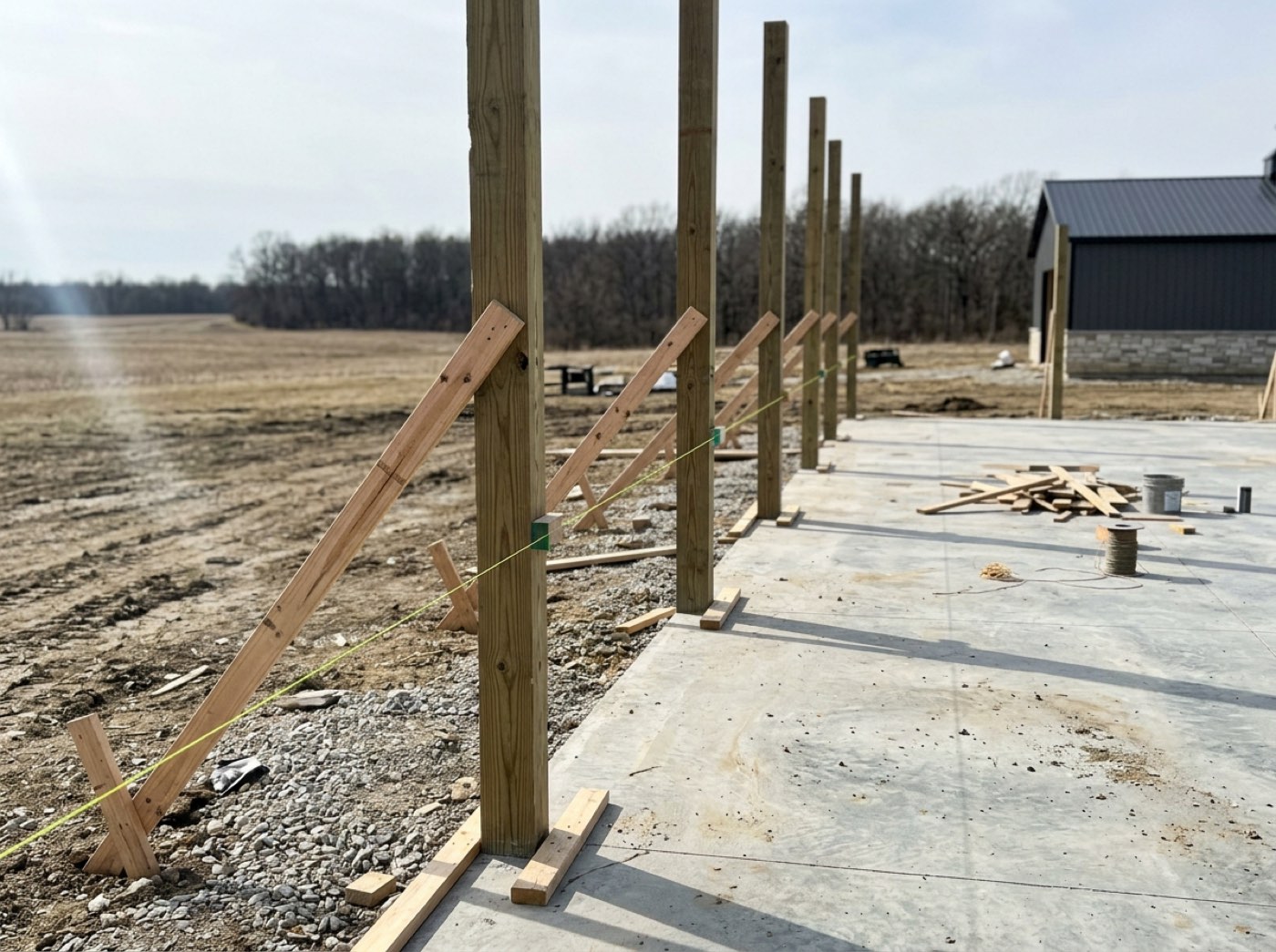
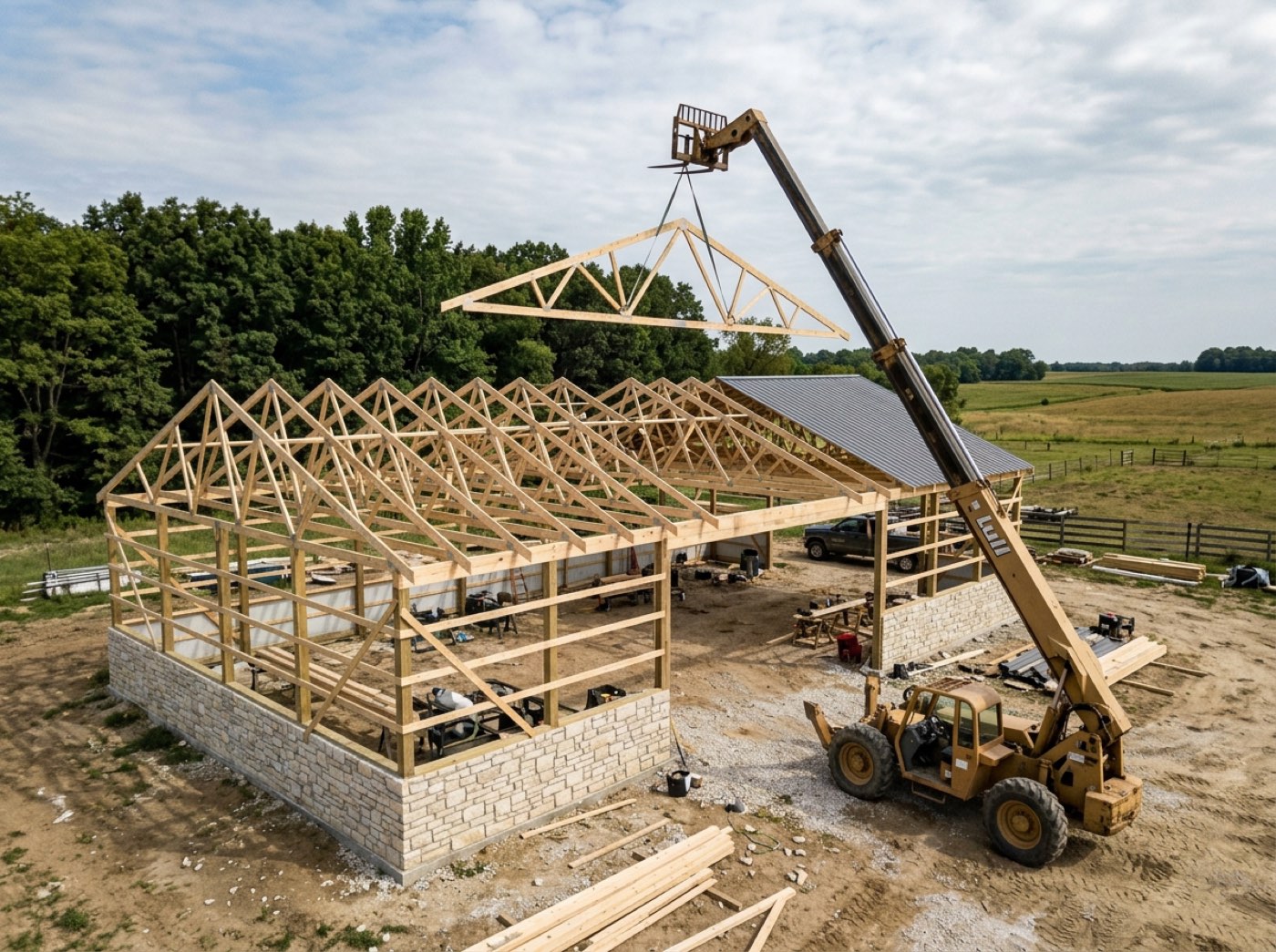
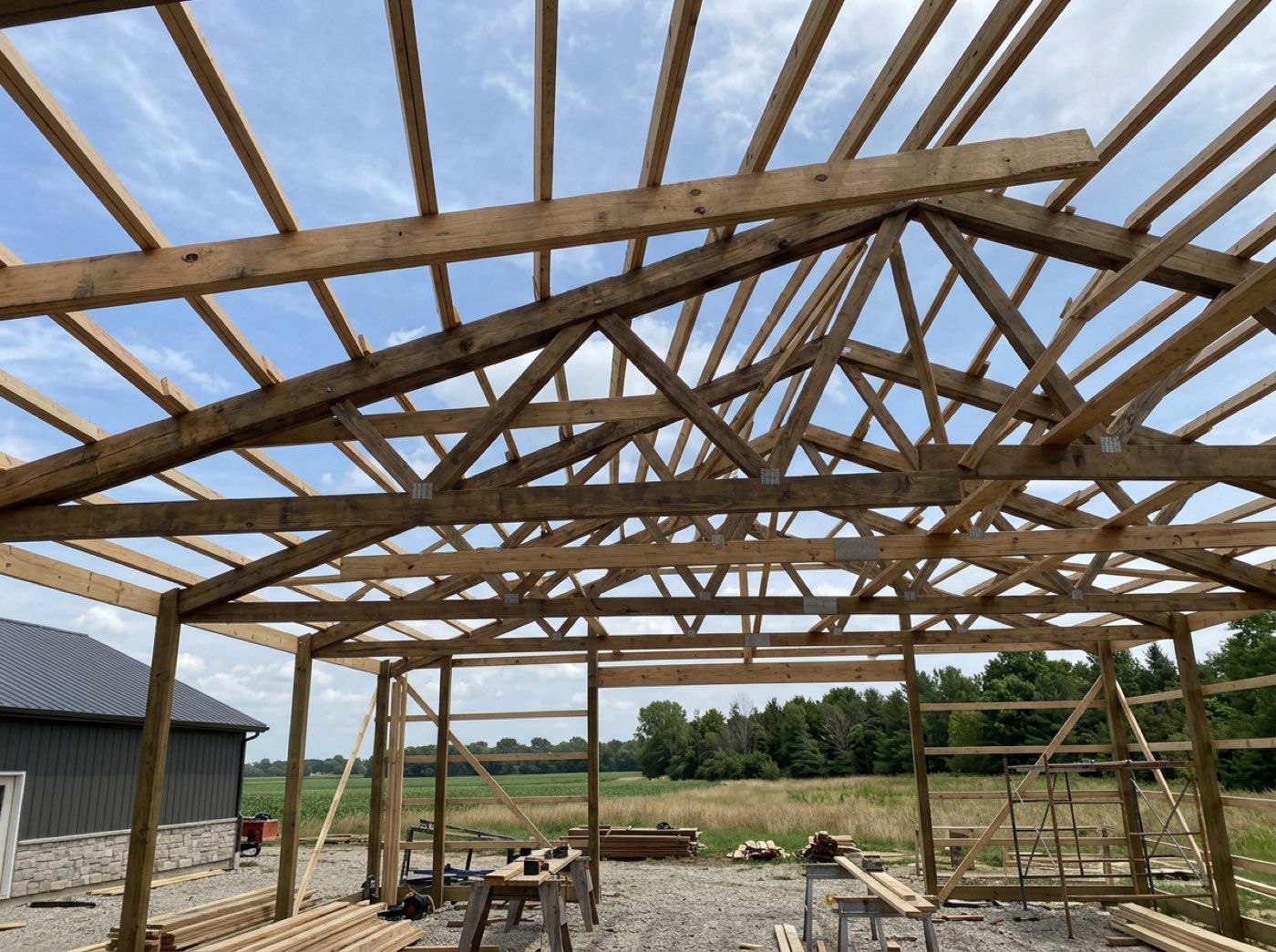
When a stage photo is shared with the customer, it goes straight to their dashboard — concrete poured, stage 2 of 6 — and they see it from the same link you texted them. You choose which shots they get; the rest stay yours. Watching their building go up is the best part of building for a customer, and they remember who gave them that.
Progress photos sent one at a time by text are lost in the customer's phone by the next week.
Every milestone, in order, as it happened
Their dashboard keeps the running record of the build: site prep finished, concrete poured, forms stripped, framing started, trusses set and braced, wall girts installed, new photos uploaded — each with its date. It's the story of their building, told while it's being built, and it makes your crew's work visible to the person paying for it.
A customer who only hears from you when something's wrong assumes every silence is bad news.
A weekly update drafted from the job, sent by you
Every Friday each active job gets the week's update drafted from what really happened — the stages finished, what's next, the daily logs, the photos and anything that slowed the job. You read it, change what you'd say differently, leave out a photo, and press Send to homeowner: it's emailed in your branding and kept on their page. Nothing goes until somebody sends it. The homeowner hears from you every week, and your project manager doesn't spend Friday night writing it.
A customer who has to chase you for news starts wondering what you're not telling him.
Their invoices and documents, on their side of the glass
Invoices, the agreement and change orders open over their dashboard instead of in a separate email — the materials draw on the steel package, billed to Marla, with the balance due and a PDF if she wants one. Close it and she's back where she was. Nothing to dig for means nothing to call about.
Paperwork spread across six emails is paperwork the customer asks you to resend.
Your name on all of it
Set your business name, your wide logo, your square mark and your icon once in the Brand Center, and every screen and document the customer sees carries them — the quote, the dashboard, the invoices, the emails. Your colours and type follow. Built exclusively for post-frame and barndominium builders, and it wears your name, not ours. The customer sees one builder, start to finish, and that's who they recommend.
A customer who sees a software company's name on your paperwork starts wondering who they're really dealing with.


Their photos and your proof are kept apart
Two streams from the same camera. Customer photos are published to their portal the moment you tick them; checkpoint proof stays internal — your record of how it was built, not their gallery. The crew takes the picture once and it lands in the right place. The customer sees the good shots, and you keep the proof if anything is ever questioned.
One pile of photos means either the customer sees the messy ones or you lose your proof.
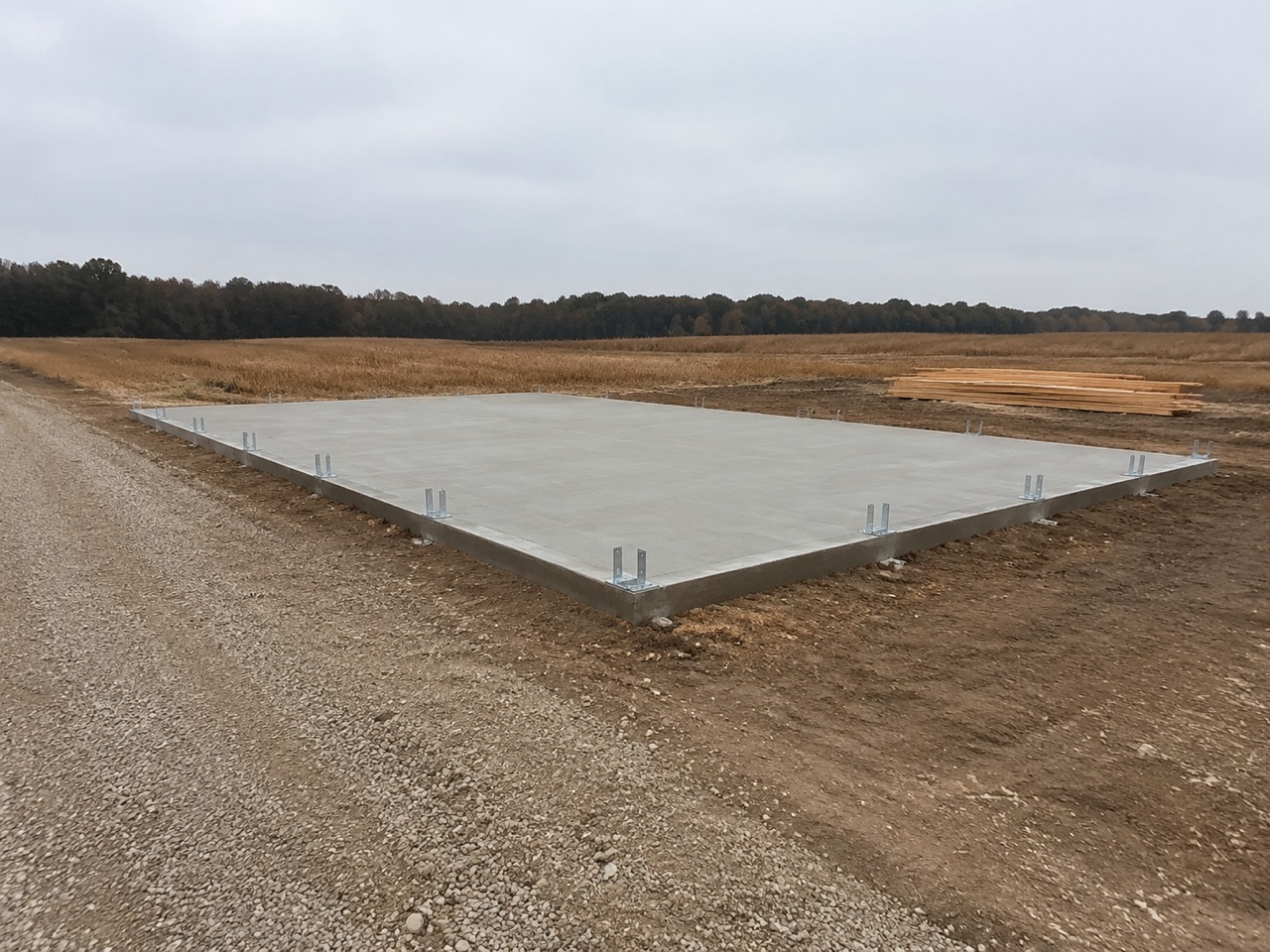
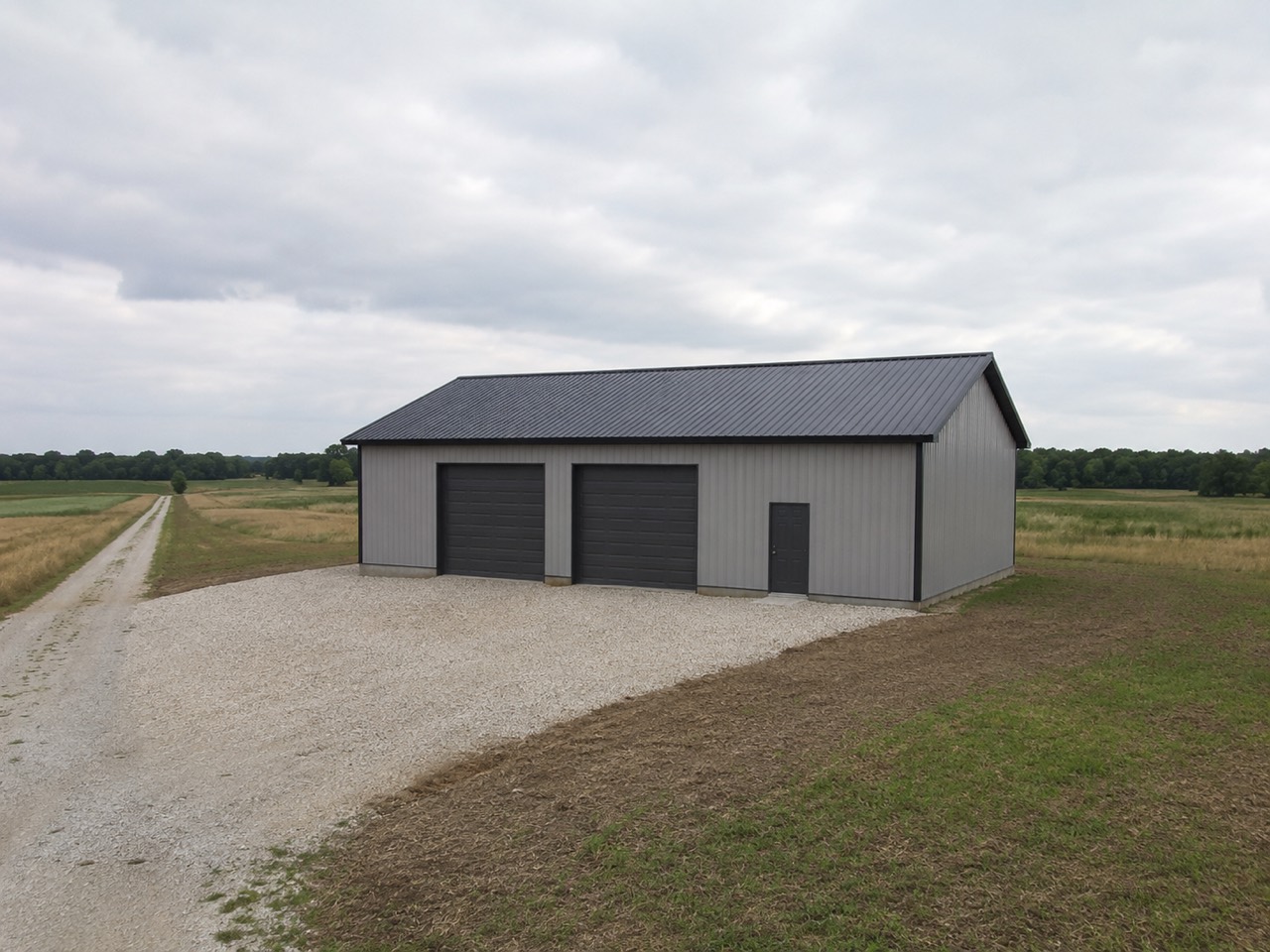
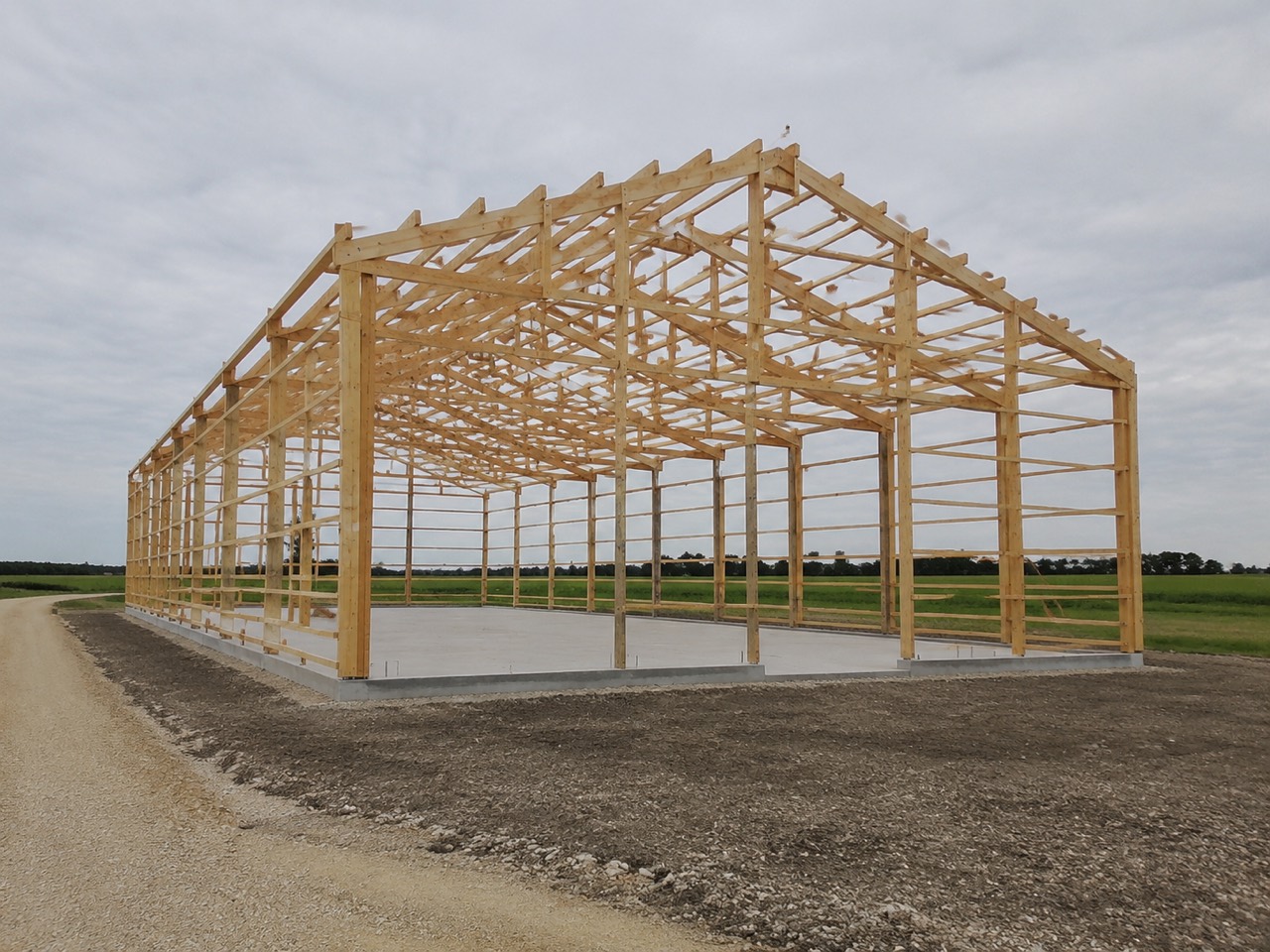
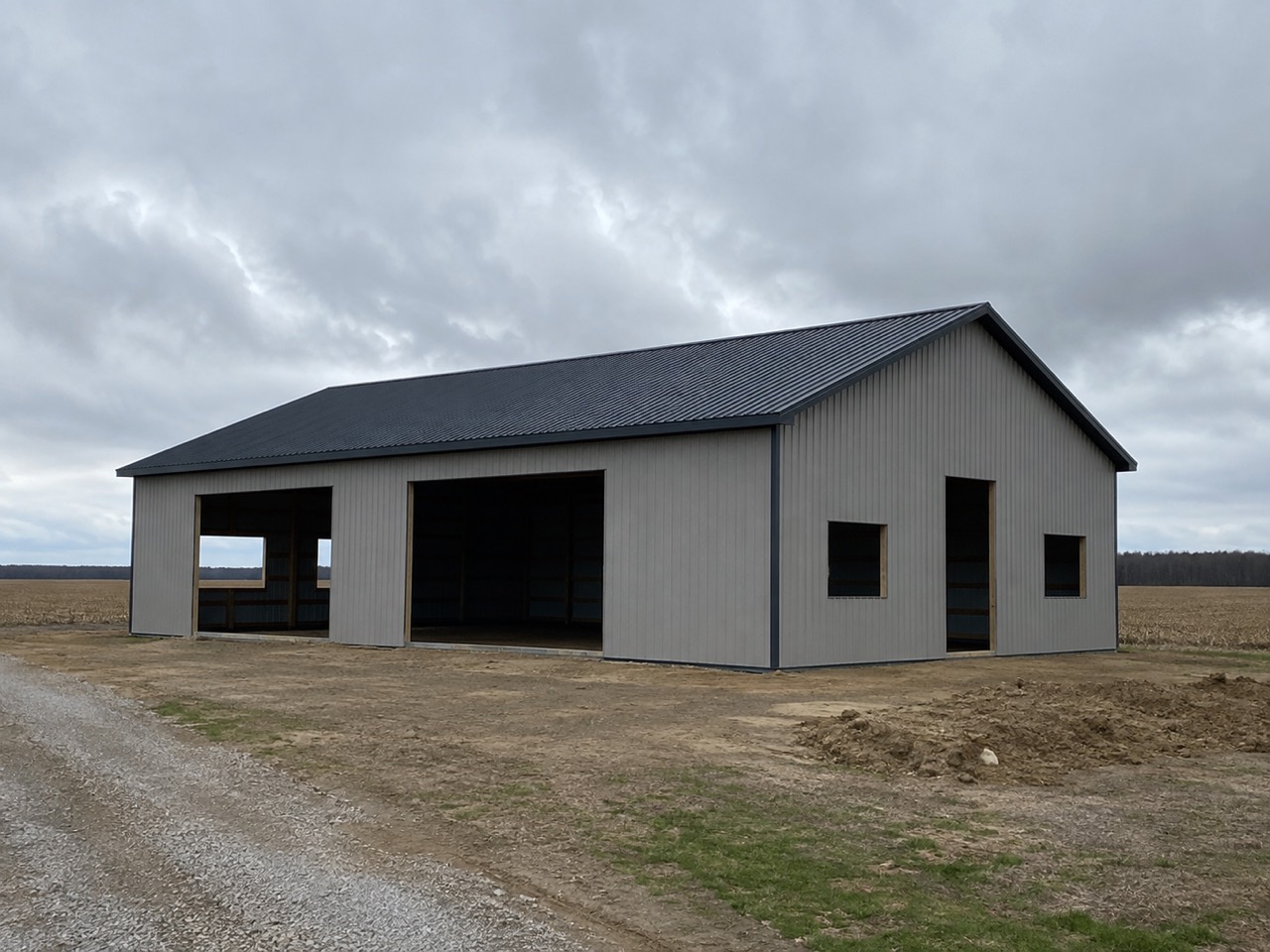
At the keys, a House Book of their home
At closeout, one record of the build: the colours and selections, the paint by room with brand and code, the equipment with model, serial number and warranty dates, who worked on the home, the key dates, the as-built plans and your maintenance notes. Most of it fills itself in from the job; you add the rest as you go. Share it on the homeowner's page, where it stays for good, or print it in your branding to hand over with the keys. Years later, when they need a paint code or a warranty, they find it under your name — and they remember who built it.
A shoebox of warranty papers handed over at the door is the last thing the customer remembers about you.
Every photo filed by job and stage, ready for the next sale
When the keys are handed over, the job's photos are already filed. The gallery gives every job a cover, its photo count and its dates — the Lindqvist 40×60 shop, 233 photos from June 8 to July 24, marked Completed; the Marsh 50×96 ag building, 391. Find a job by name or show only the completed ones, and each opens to its photos by stage. Nobody rounds them up from six phones before the next ad or post. Your best work gets shown, and the crew sees their building become the reason the next customer called.
The best photo of your best job is on a phone that left with the man who took it.
The finished job becomes the next customer's reason
Testimonial photos and a walkthrough video go onto the pages your next customers open, and the plan set stays with this one's — paste a link or upload the file. The shop front, the Zimmerman walkthrough. The building you just finished starts selling the next one, in a happy customer's own words.
A happy customer nobody asked for a photo or a few words is the cheapest marketing you never did.
Hand over a building
with your name on it.
The customer's own window on the job from deposit to keys — a weekly update you send, a line straight to your team, and a House Book of their home at the end — with your name on all of it and every photo filed for the next sale. Thirty minutes with Keith, on one of your real structures — and the link we build is yours to keep whether or not you go any further.